Read time
10
min
Pupin Connectivity & Investment Forum 2026: Serbia as a Connector: From Strategic Position to Regional Responsibility
About the Forum
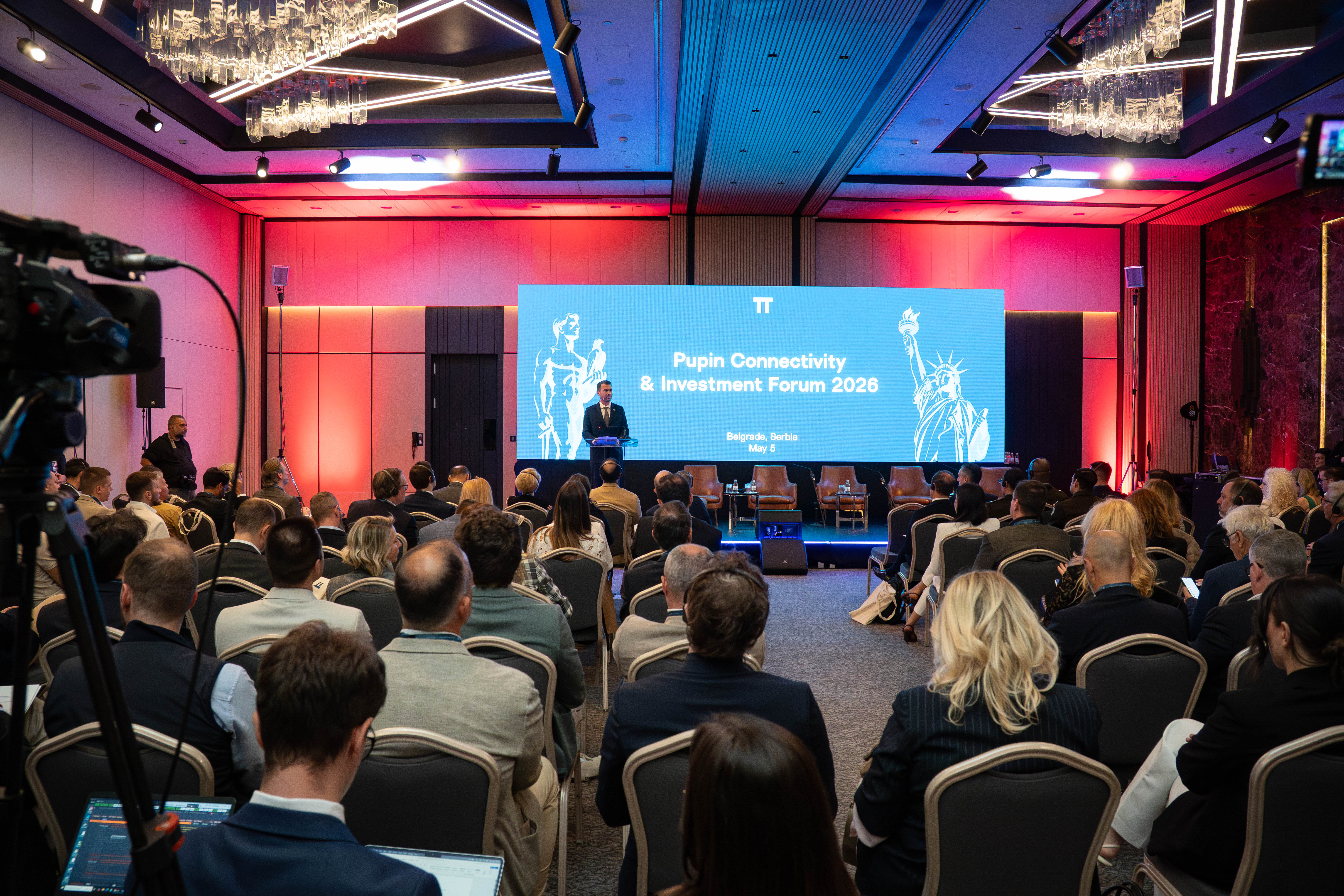
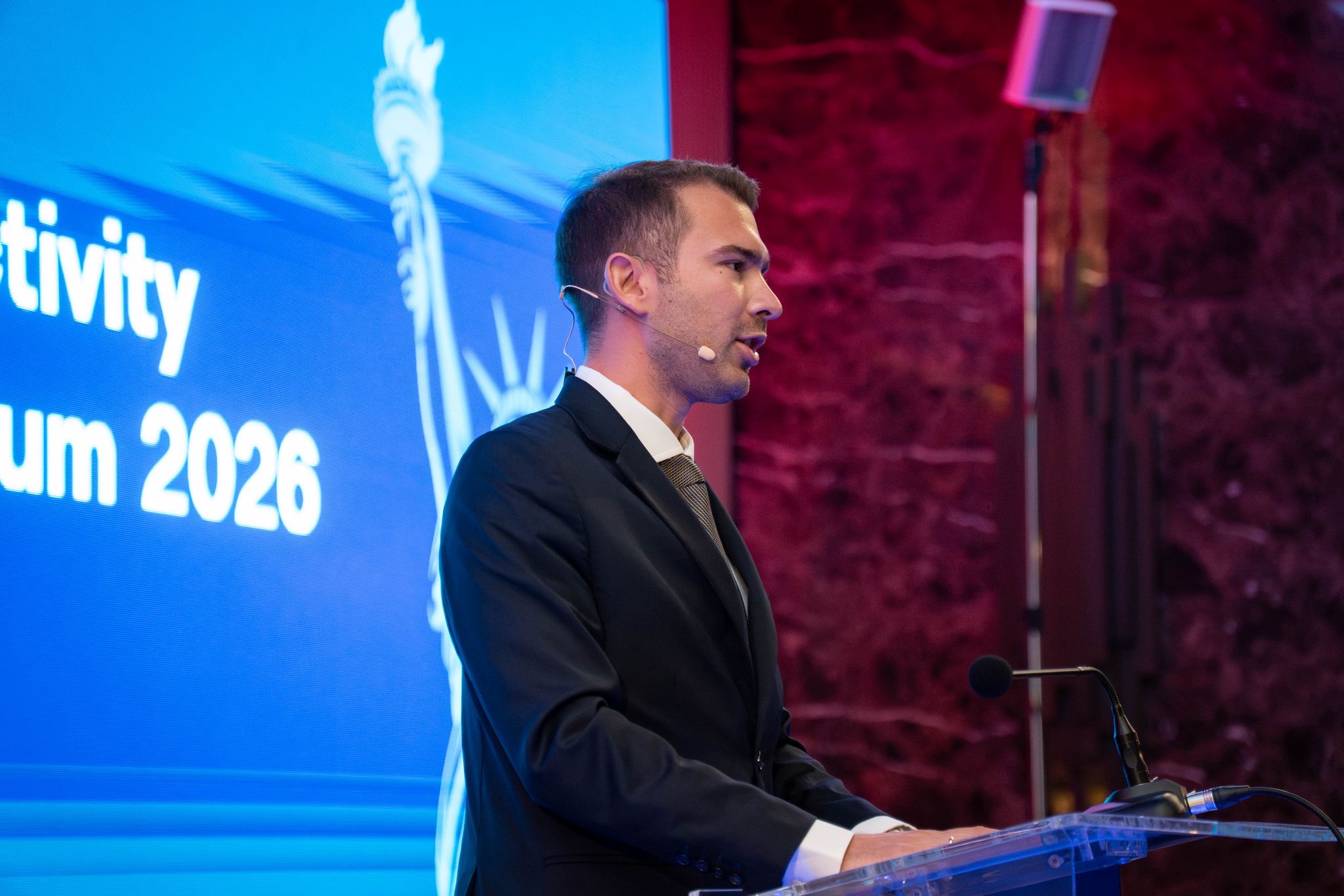
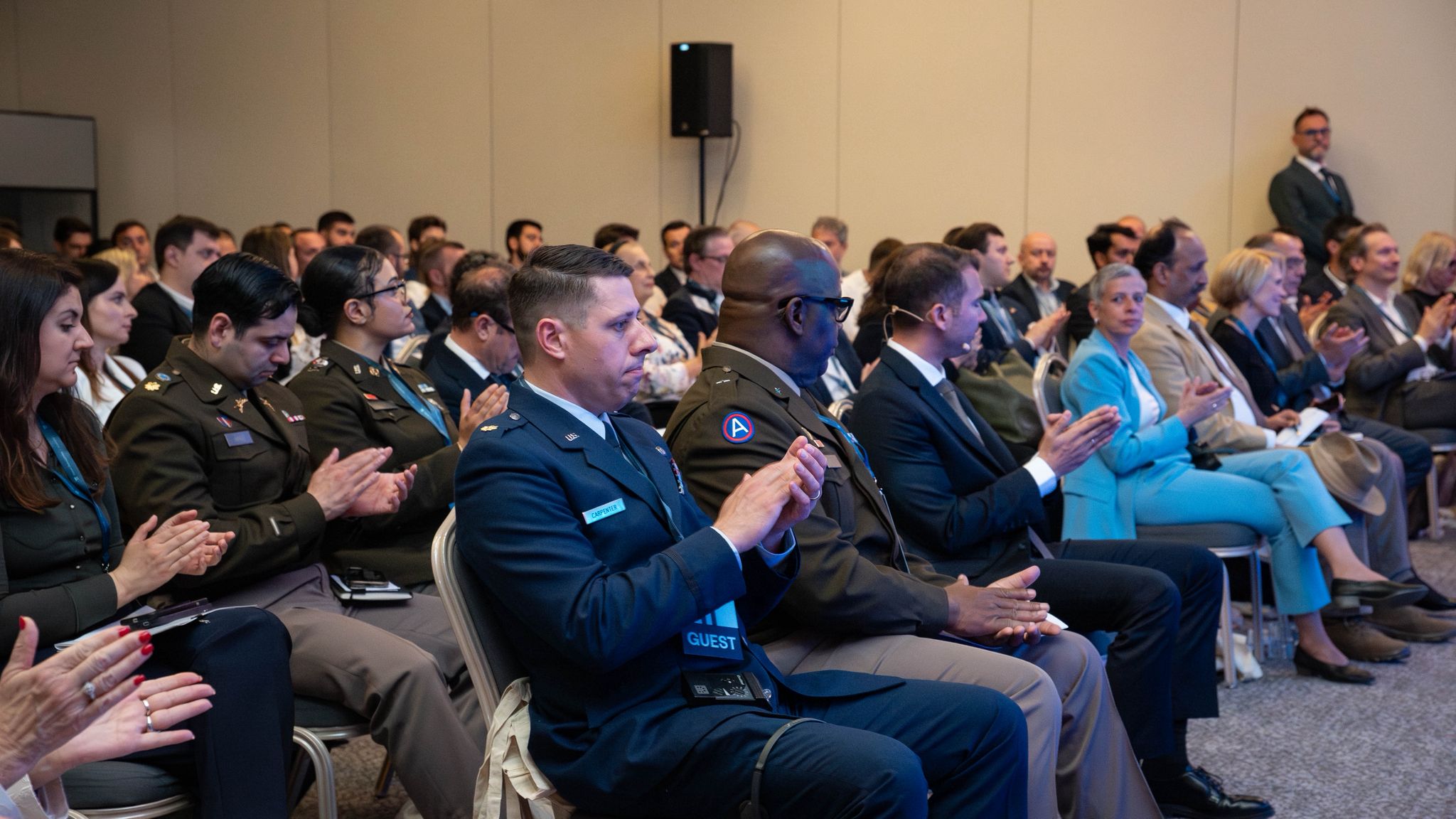
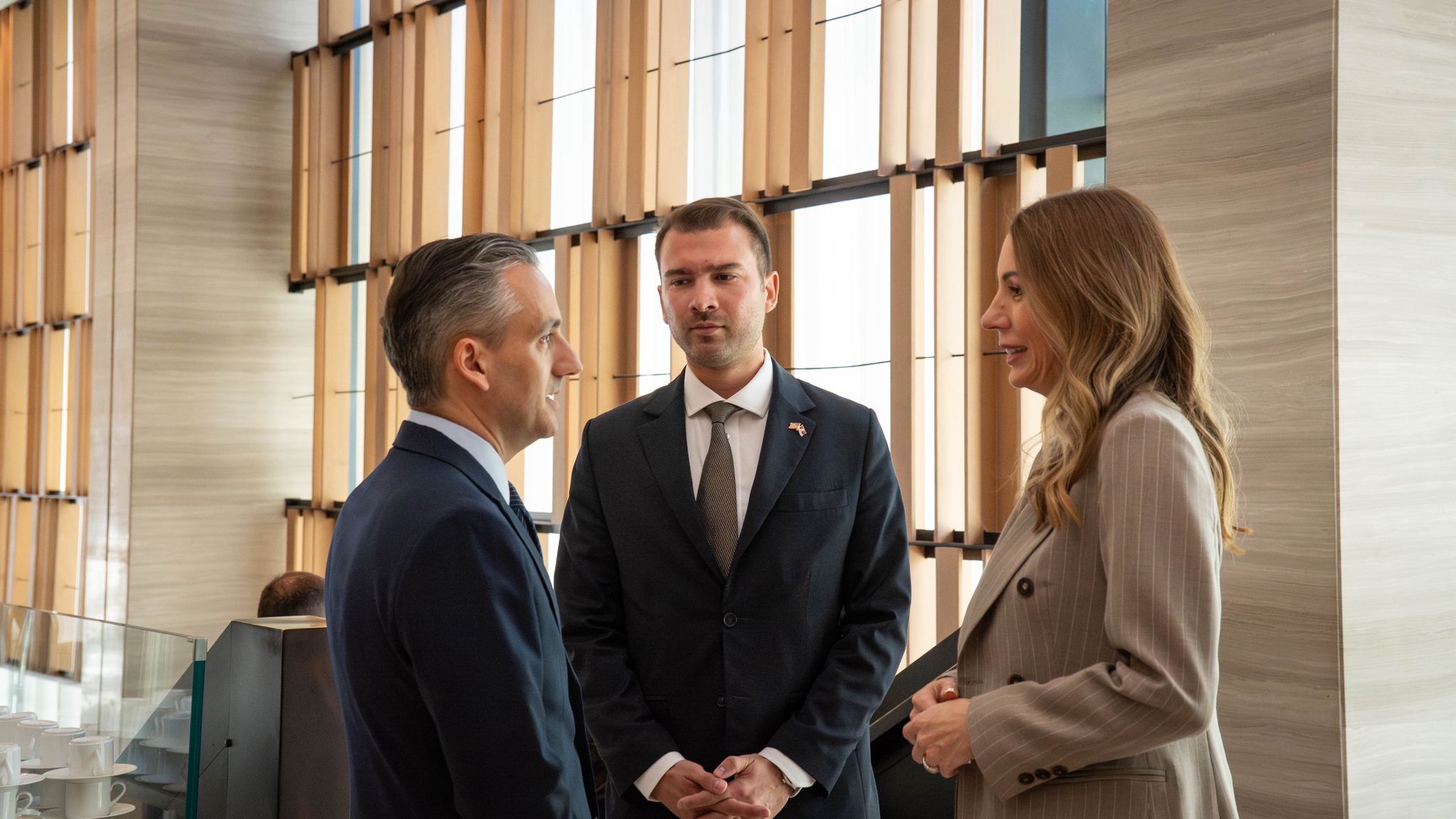
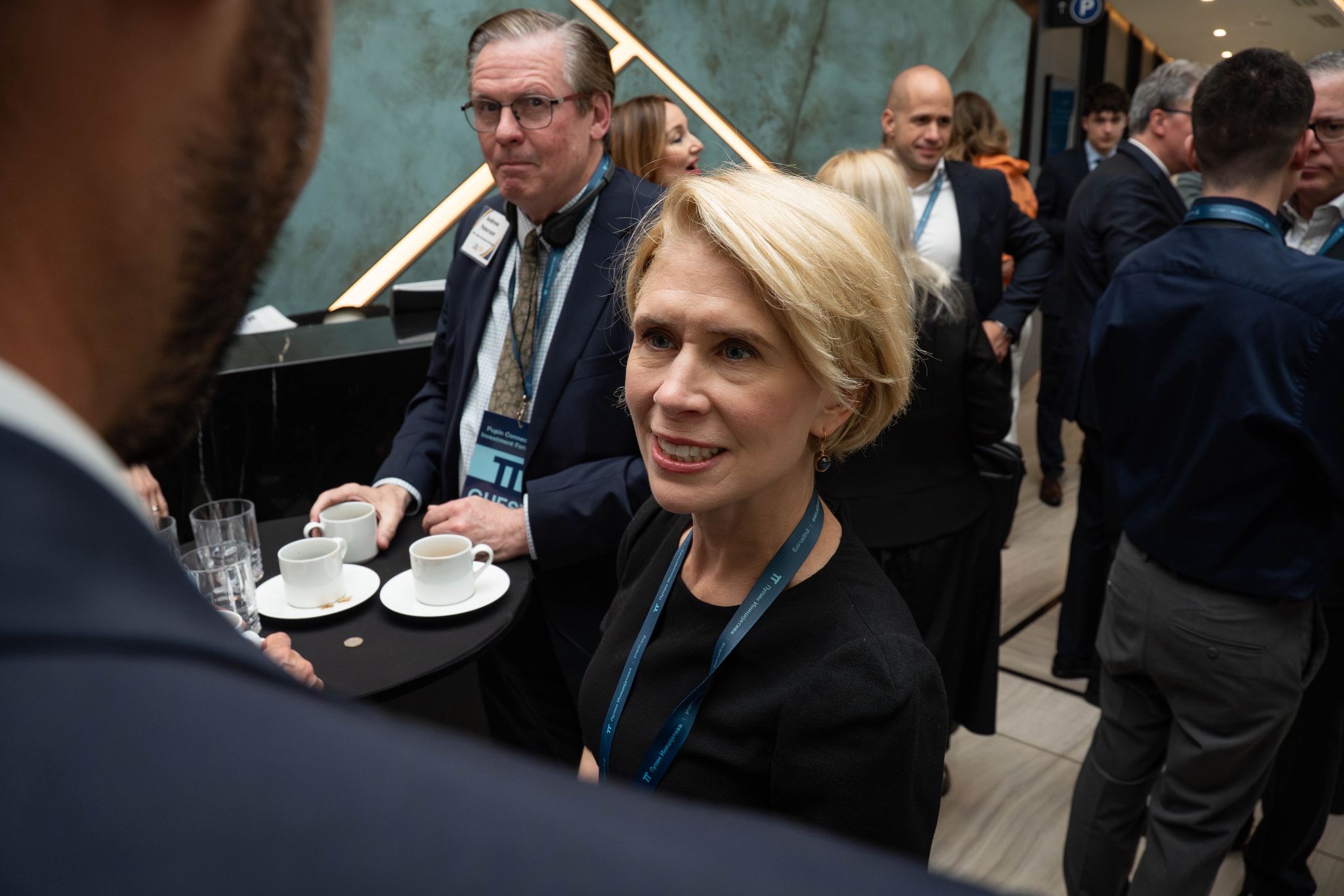
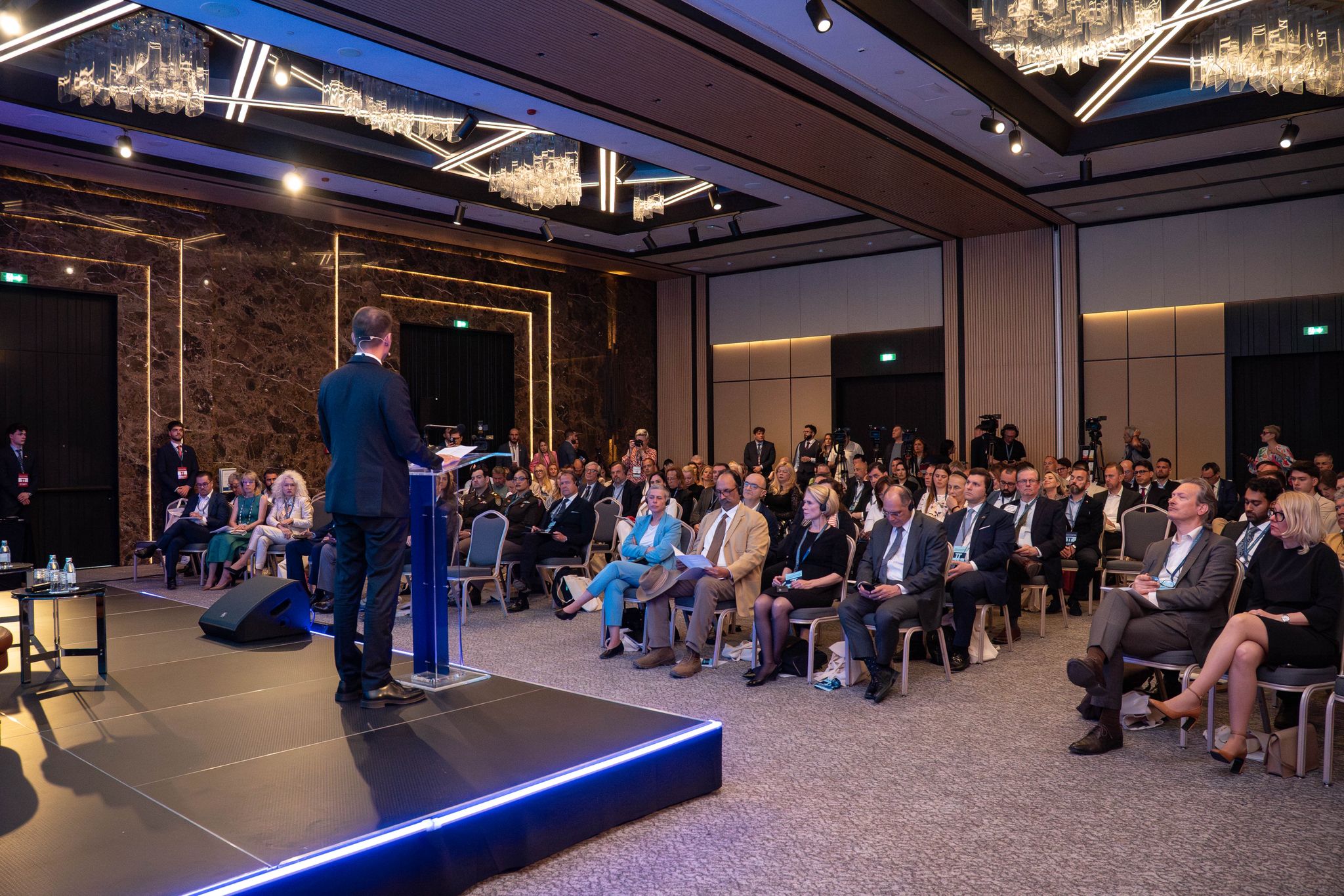
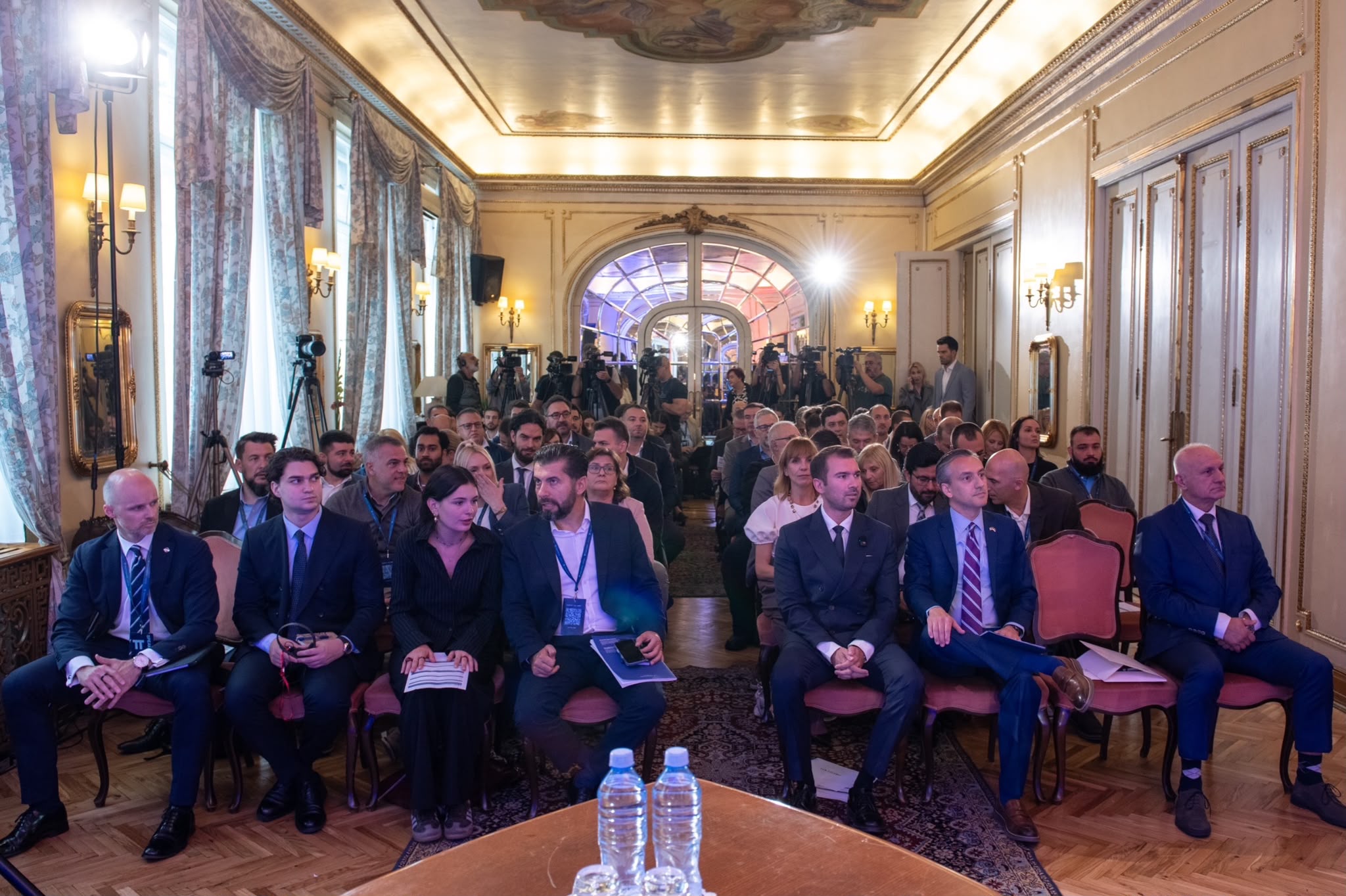
The fifth Pupin Forum themed Connectivity and Investment Forum brought together senior officials, business leaders, and strategic experts from Serbia, the United States, Israel, and the wider region for a full day of high-level dialogue at the Hilton Belgrade. Organised annually by the Pupin Initiative, with editions alternating between Belgrade and Washington, the 2026 forum was held under the banner Serbia as a Connector: From Strategic Position to Regional Responsibility.
Convening at a moment of fast-moving change in global supply chains, trade routes, and energy flows, the forum offered a platform for direct exchange between American and Serbian decision-makers, investors, and analysts on the strategic trends reshaping Europe and the transatlantic relationship. The agenda was designed as a forward-looking strategic dialogue, organised around five central themes: the future of global supply chains and the resilience of logistics networks; the development of trade corridors connecting Europe, the Black Sea, and the Mediterranean; the role of energy diversification, LNG, and nuclear development in regional security; the interplay between technology, infrastructure, and economic competitiveness; and the future trajectory of U.S.–Serbia relations in a transformed transatlantic context.
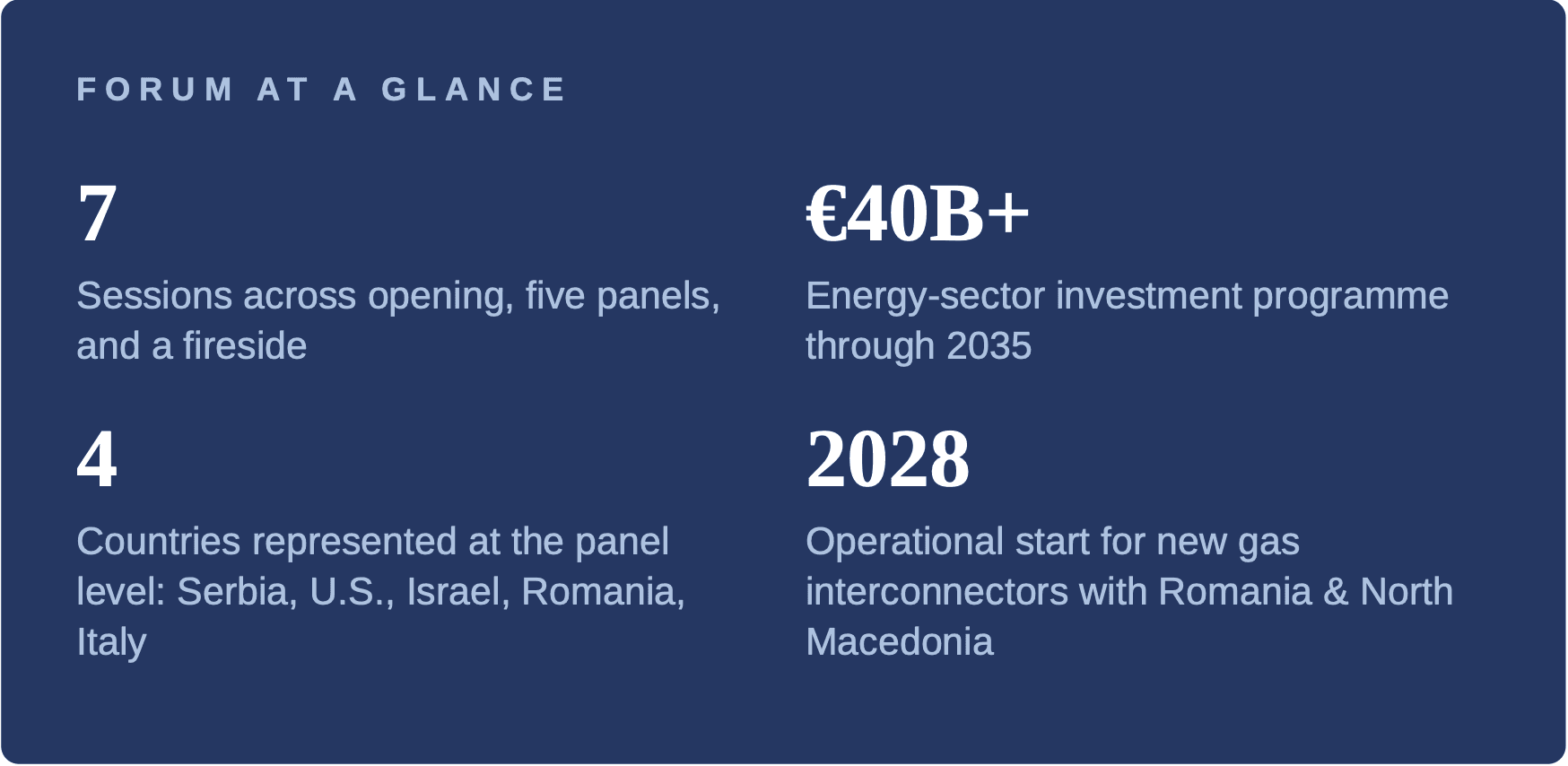
The programme comprised opening remarks, a keynote conversation with Serbia's Minister of Mining and Energy, five thematic panels, and a fireside conversation with the President of the University of Connecticut. The proceedings that follow capture the substance of each session, drawing on the panel notes taken during the event and supplemented by published reporting from the day.
What the forum revealed
A once-in-a-generation strategic window
Russian leverage in Eastern Europe is weakening, Chinese interest in Serbia has receded, and Washington is placing connectivity and reliable partnerships at the centre of its strategy. Speakers across all five panels agreed: the opening is real, but it will not stay open indefinitely.
Energy security is national security
From the lifted nuclear moratorium to the planned Serbia–Hungary oil pipeline, new gas interconnectors with Bulgaria, Romania, and North Macedonia, U.S. LNG access, and the Bistrica and Đerdap 3 hydropower projects — energy emerged as the most concrete area of immediate U.S.–Serbia engagement.
Trieste–Belgrade–Constanța is the corridor that matters
Italian, Romanian, Israeli, and Serbian speakers converged on the same diagnosis: connecting these three nodes by rail and intermodal links is the fastest commercial route into EU markets — and Serbia's natural bridge into the India–Middle East–Europe Economic Corridor (IMEC).
Talent is the asset; mindset is the missing piece
Microsoft, Next Silicon, ElevenEs, and the Kragujevac data centre prove the foundations are real. What is needed now, panellists agreed, is institutional capital at scale and a cultural shift toward entrepreneurial risk-taking — built around five educational pillars: creativity, innovation, entrepreneurship, finance, and emotional intelligence.
Practical realism, patriotism, and competence
U.S. speakers framed the operating principles of the new bilateral chapter as practical realism, patriotism, and competence — values they see shared with Serbia. The ask: that Serbia function as a net security provider in the region, exporting stability rather than waiting for it.
Opening Session: Setting the strategic frame
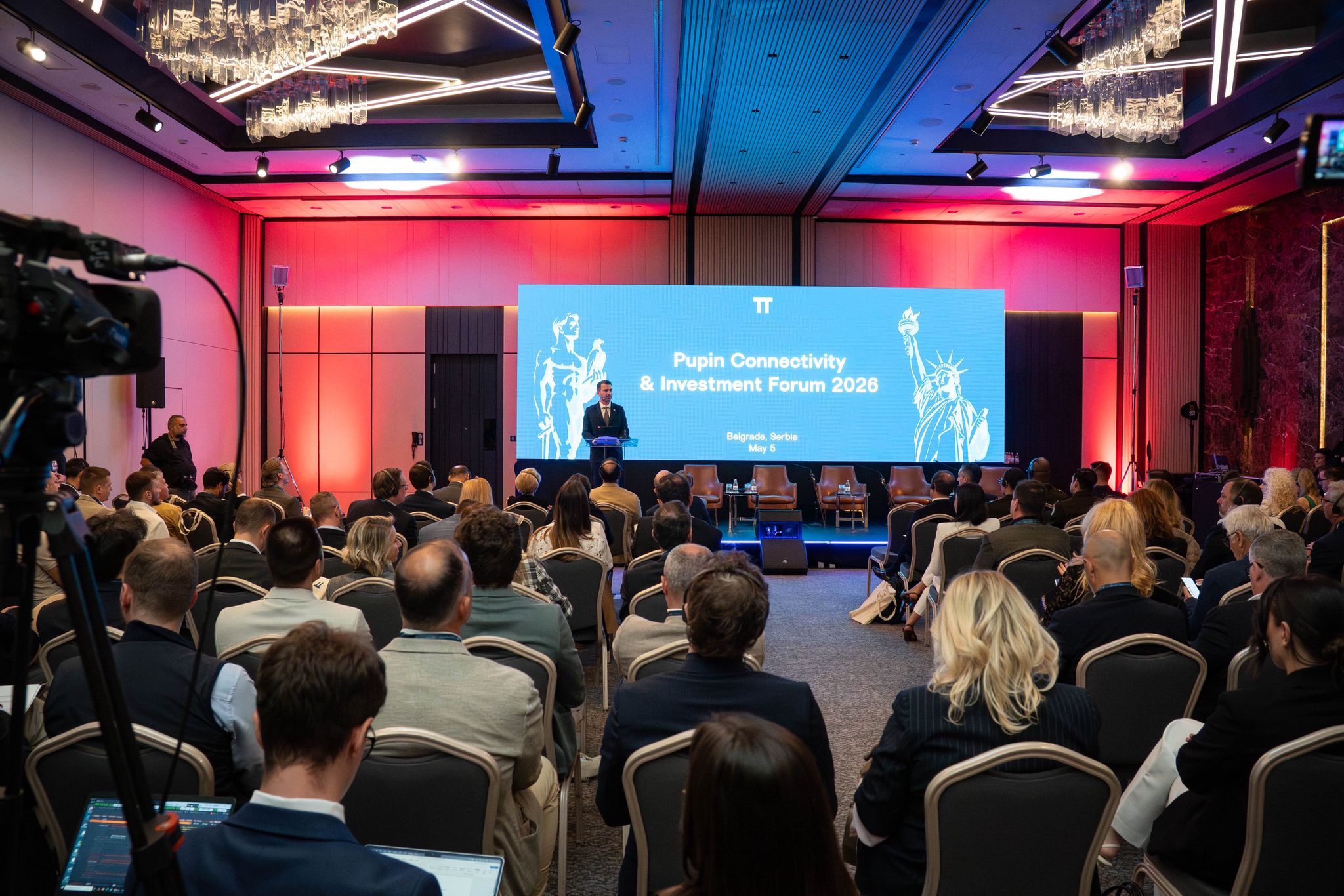
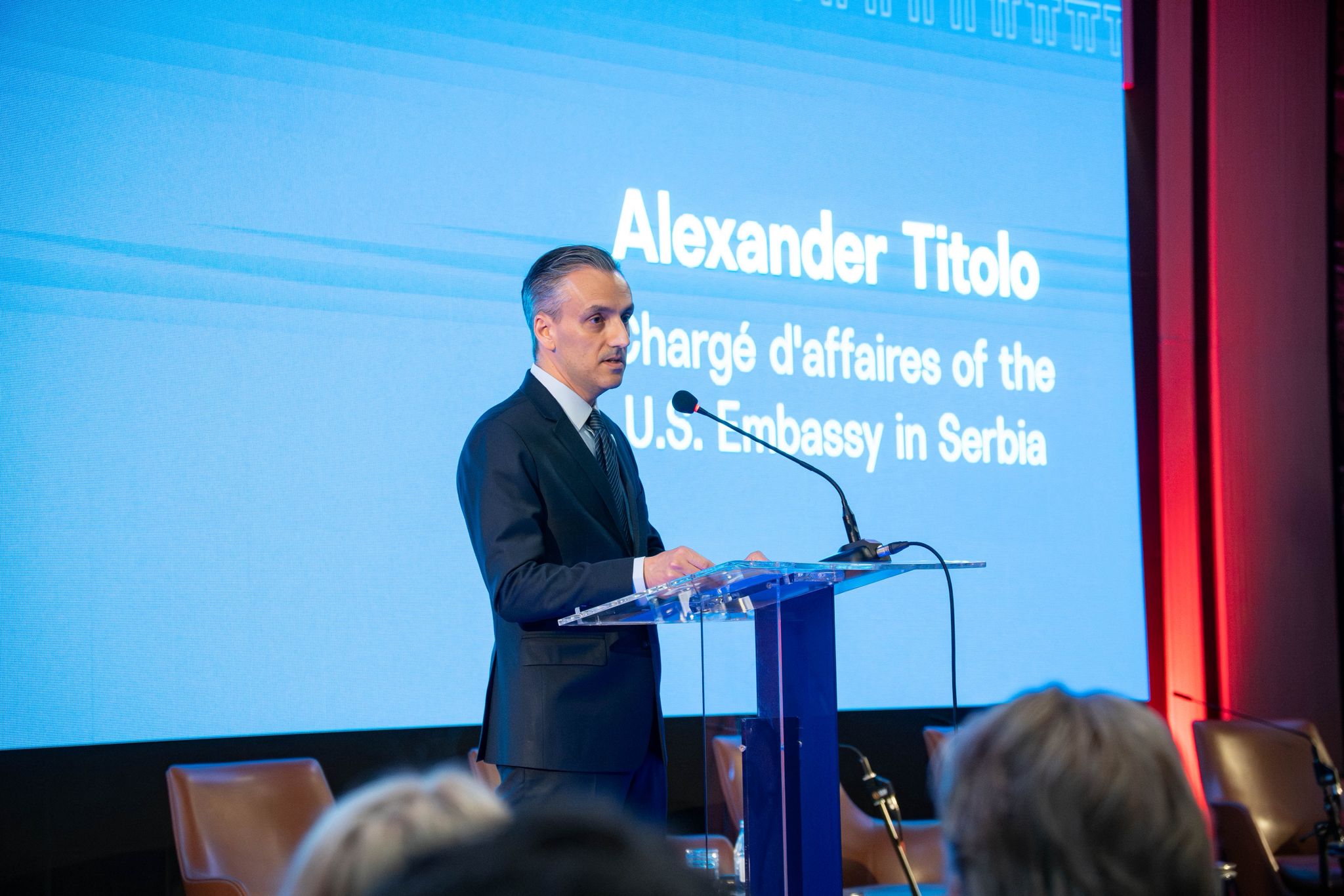
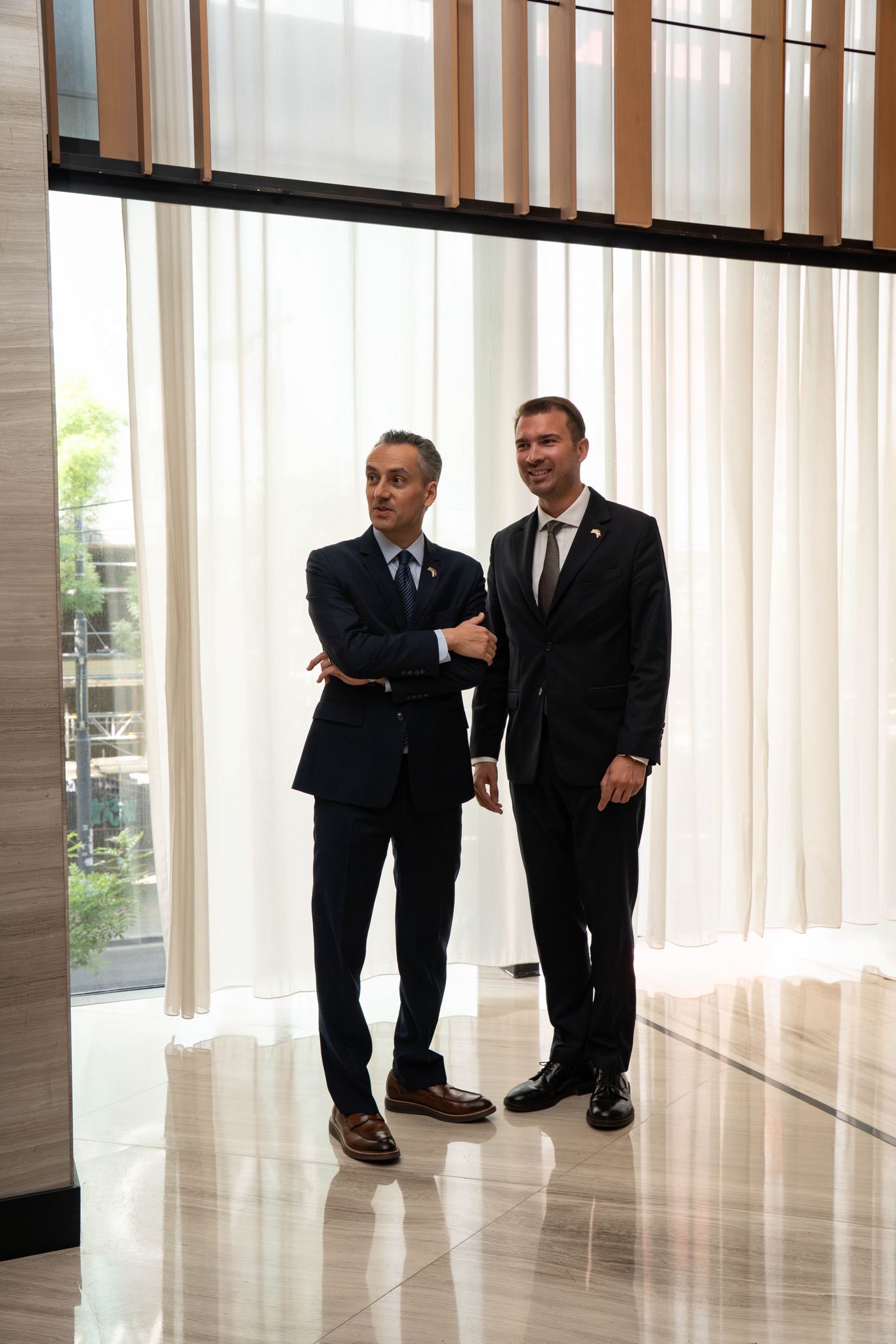
Pupin Initiative President Vuk Velebit opened the forum with a call to seize a oncein-a-generation opening to reset U.S.–Serbia relations. U.S. Chargé d'affaires Alexander Titolo echoed the message, framing Washington's approach under three principles: stability, shared prosperity, and practical realism.
Keynote Conversation with Serbian Minister of Mining and Energy
Minister of Mining and Energy Dubravka Đedović Handanović delivered a substantive keynote covering NIS negotiations, gas interconnections, hydropower projects, and the lifted nuclear moratorium — with construction of a Serbian nuclear plant targeted to begin in 2032.
"Strategic cooperation must be built for the long term. Energy projects serve fifty, sixty, seventy years — partners must be chosen accordingly." — Minister Đedović Handanović.
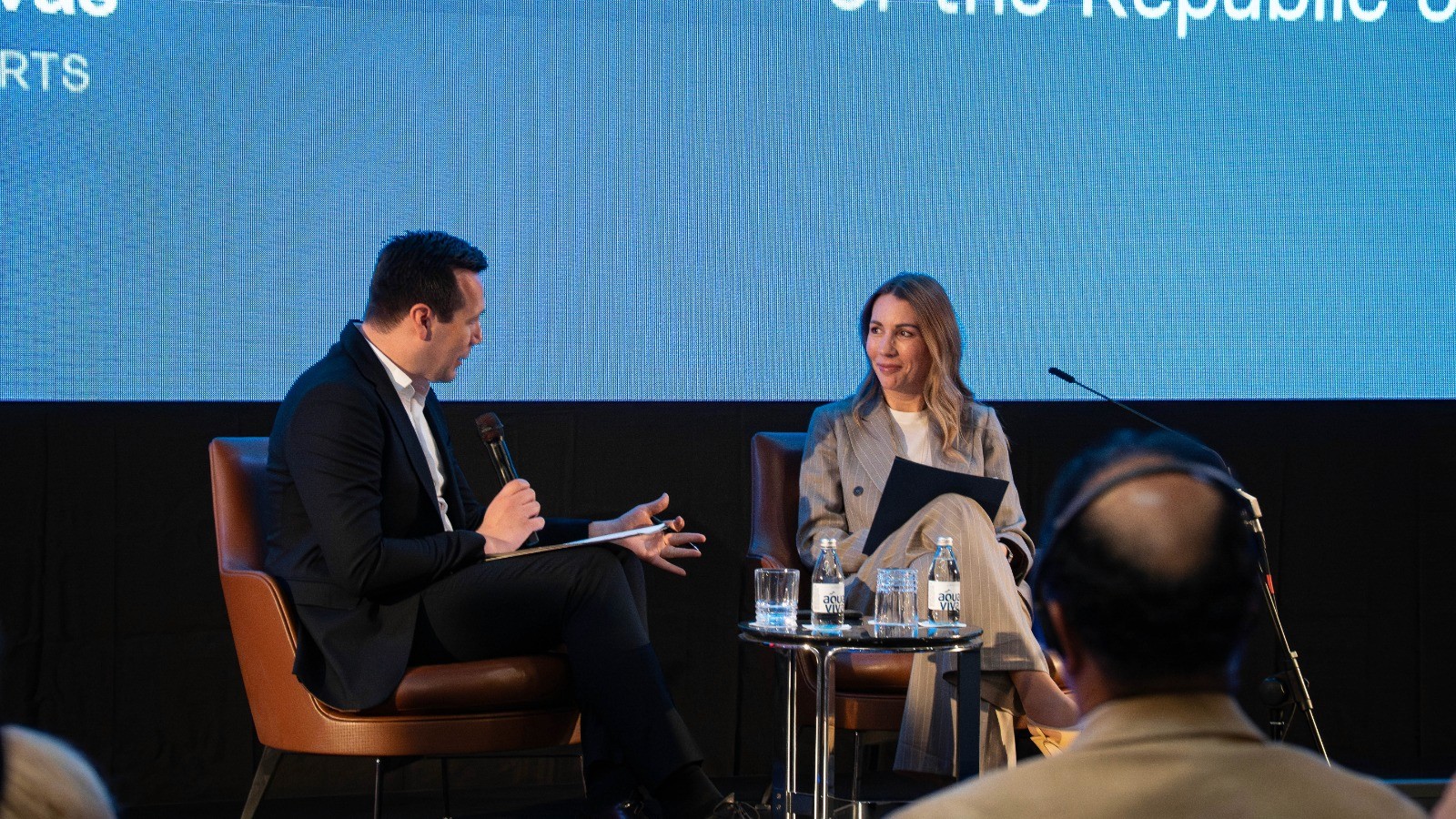
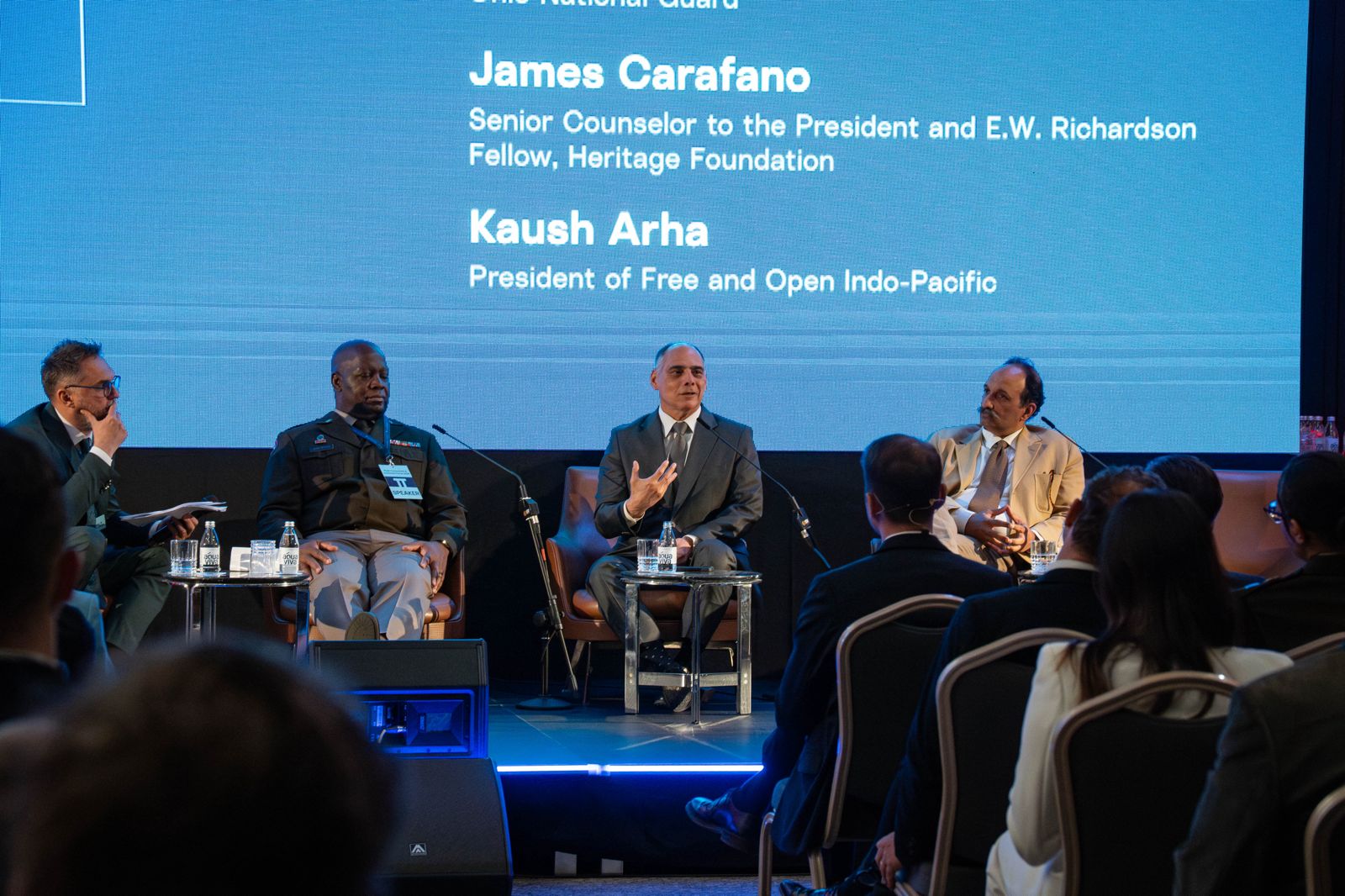
Panel I | Strategic Context: The View from Washington on Geopolitics, Energy, and Global Connectivity
James Carafano (Heritage Foundation) and Kaush Arha (Free and Open IndoPacific) framed the U.S. doctrine as peace through strength adapted to a new era: connectivity over hard spheres of influence, and reliable, realistic partners over dependency. Brigadier General Jeff Watkins identified cyber and drone threats — and grid resilience — as the leading near-term security concerns.
On NATO membership, the panellists openly disagreed — but converged on the principle that Serbia's choices must follow its own national interest, with the U.S. valuing Serbia as a net security provider for the region.
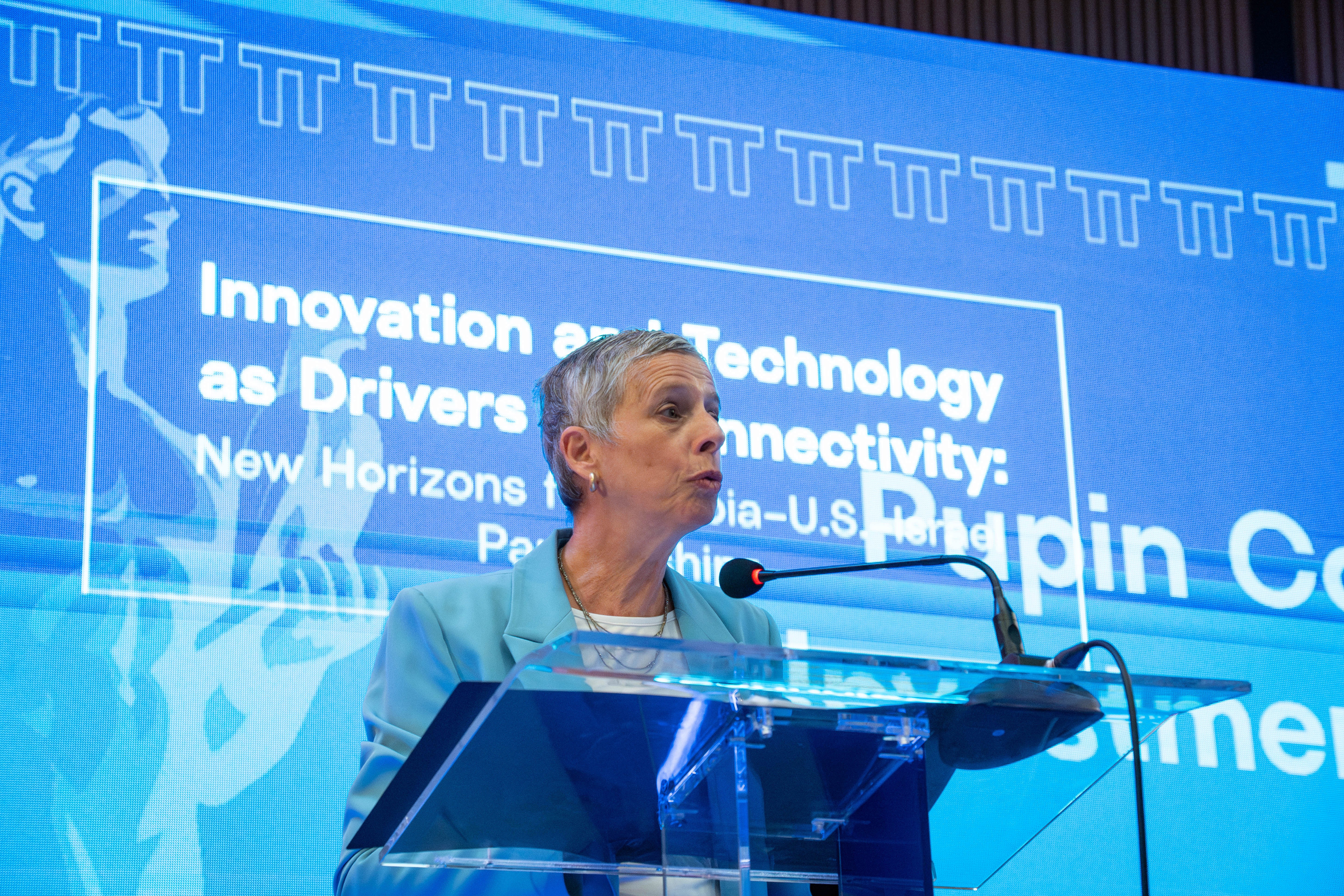
Panel II | Innovation and Technology as Drivers of Connectivity: New Horizons for Serbia–U.S.–Israel Partnerships
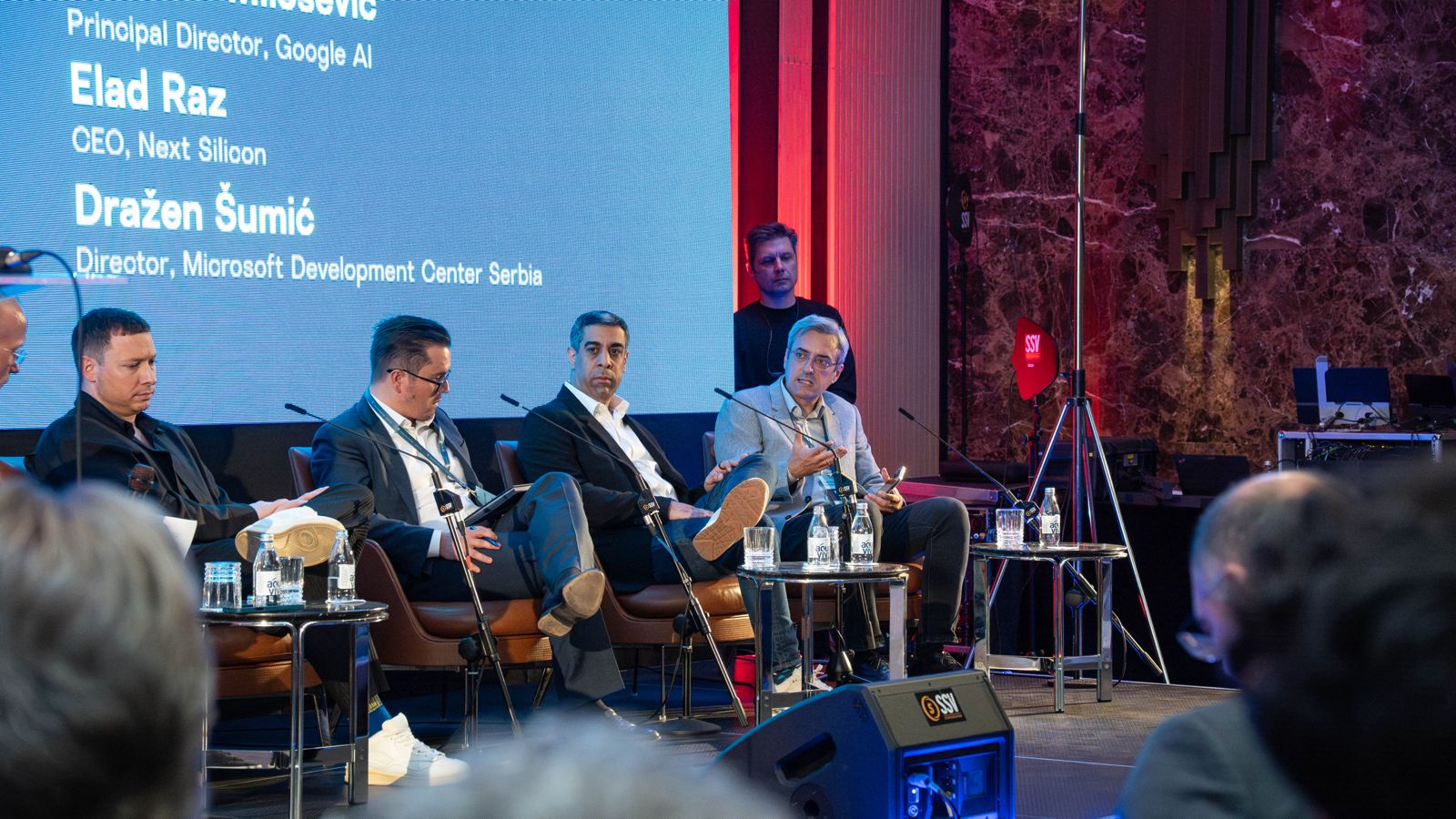
Israeli Ambassador H.E. Avivit Bar-Ilan opened with a clear thesis: innovation today is not about geography but about ecosystems built on resilience and a culture that treats failure as part of the process. Practitioners on the panel — Dražen Šumić (Microsoft), Elad Raz (Next Silicon), Vladimir Milošević (Google AI), and Alex Wheldon (Charles Square Ventures) — laid out what Serbia needs next.
The diagnosis was crisp: talent density is already there, but the next leap requires institutional capital at scale, agentic-AI fluency, and a cultural shift toward entrepreneurial risk-taking.
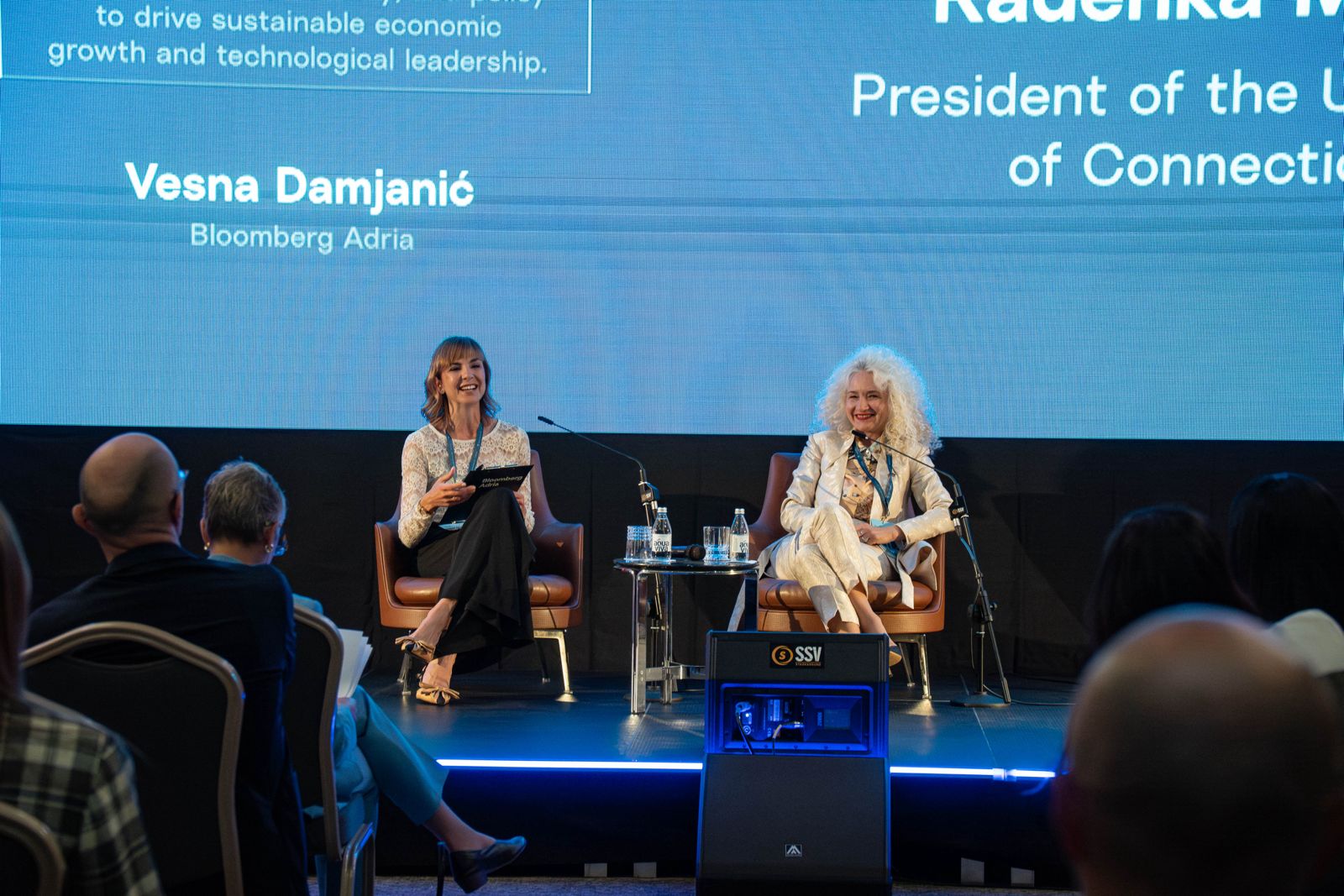
Fireside Conversation with Professor Radenka Marić, President of University of Connecticut
University of Connecticut President Radenka Marić argued that Serbia's strongest asset is its creative, well-educated people — and its principal weakness is a limited understanding of entrepreneurship. Her prescription: reimagine education around five pillars (creativity, innovation, entrepreneurship, finance, and emotional intelligence), and stop thinking small.
"You have to build an ecosystem around the entrepreneur. Bring all the players around them — that is how you generate huge returns." - Radenka Marić, President, University of Connecticut
Panel III | Energy Security & Strategic Infrastructure: Powering Serbia’s Regional Role
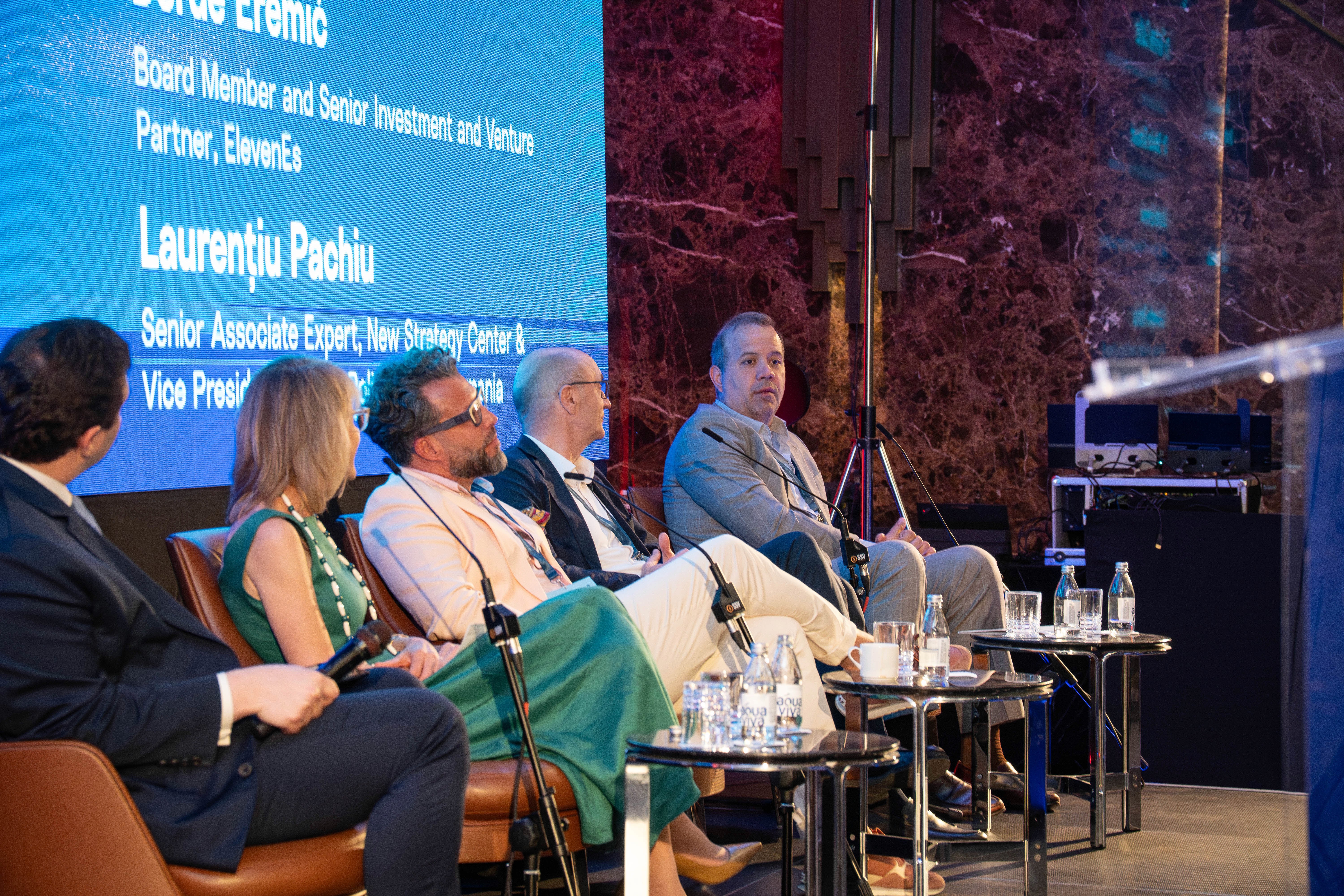
Dr Kirsten Cutler (U.S. State Department) confirmed that Washington views energy security through the explicit lens of national security and welcomed Serbia's lifted nuclear moratorium. Dr Slavko Dimović (Vinča Institute) called the moratorium a costly setback and argued for around 30% nuclear in Serbia's electricity mix — a combination of conventional reactors and SMRs for specialised loads.
Đorđe Eremić presented ElevenEs, building Europe's first 1 GW LFP battery gigafactory in Subotica — a tangible alternative to Chinese supply chains. Laurențiu Pachiu framed the Romania–Serbia relationship as built on Black Sea gas, storage, and the Danube as Europe's hydro backbone.
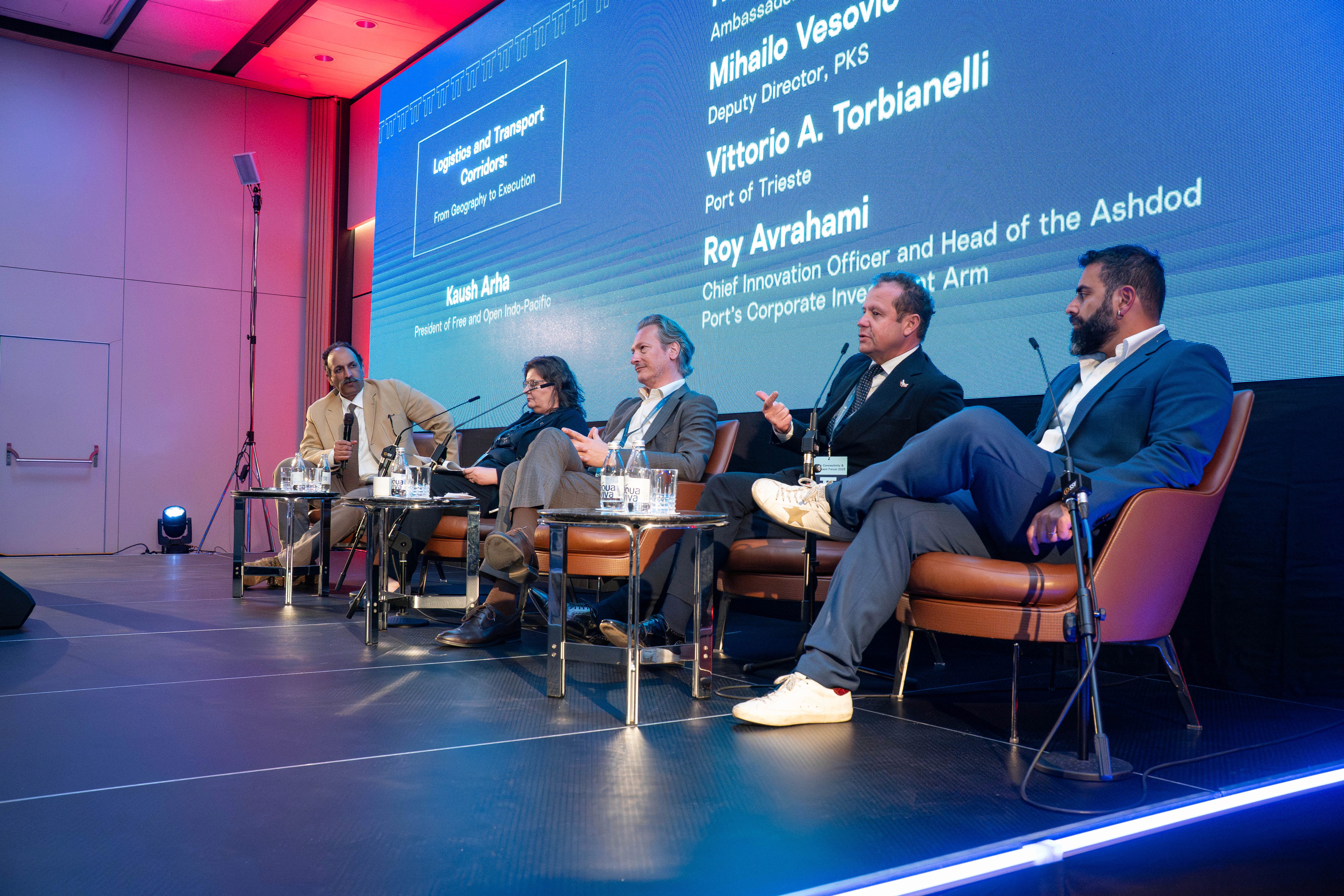
Panel IV | Logistics and Transport Corridors: From Geography to Execution
Romanian Ambassador H.E. Silvia Davidou, Vittorio Torbianelli (Port of Trieste), Roy Avrahami (Port of Ashdod), and Mihailo Vesović (PKS) all converged on the Trieste–Belgrade–Constanța axis as the strategic spine. Around 70% of Serbia's relevant goods already move via Rijeka and Trieste; Constanța handles the remainder. Connecting these by rail and Danube would, Vesović argued, be the fastest way for Serbia to integrate into EU markets.
For Serbia, the corridor also opens a position within the India–Middle East–Europe Economic Corridor (IMEC), with Trieste as the natural western gateway. Required investment over time: €30–40 billion in rail and intermodal infrastructure.
Panel V | Financing Connectivity: Trade, Energy, Strategic Investment Flows
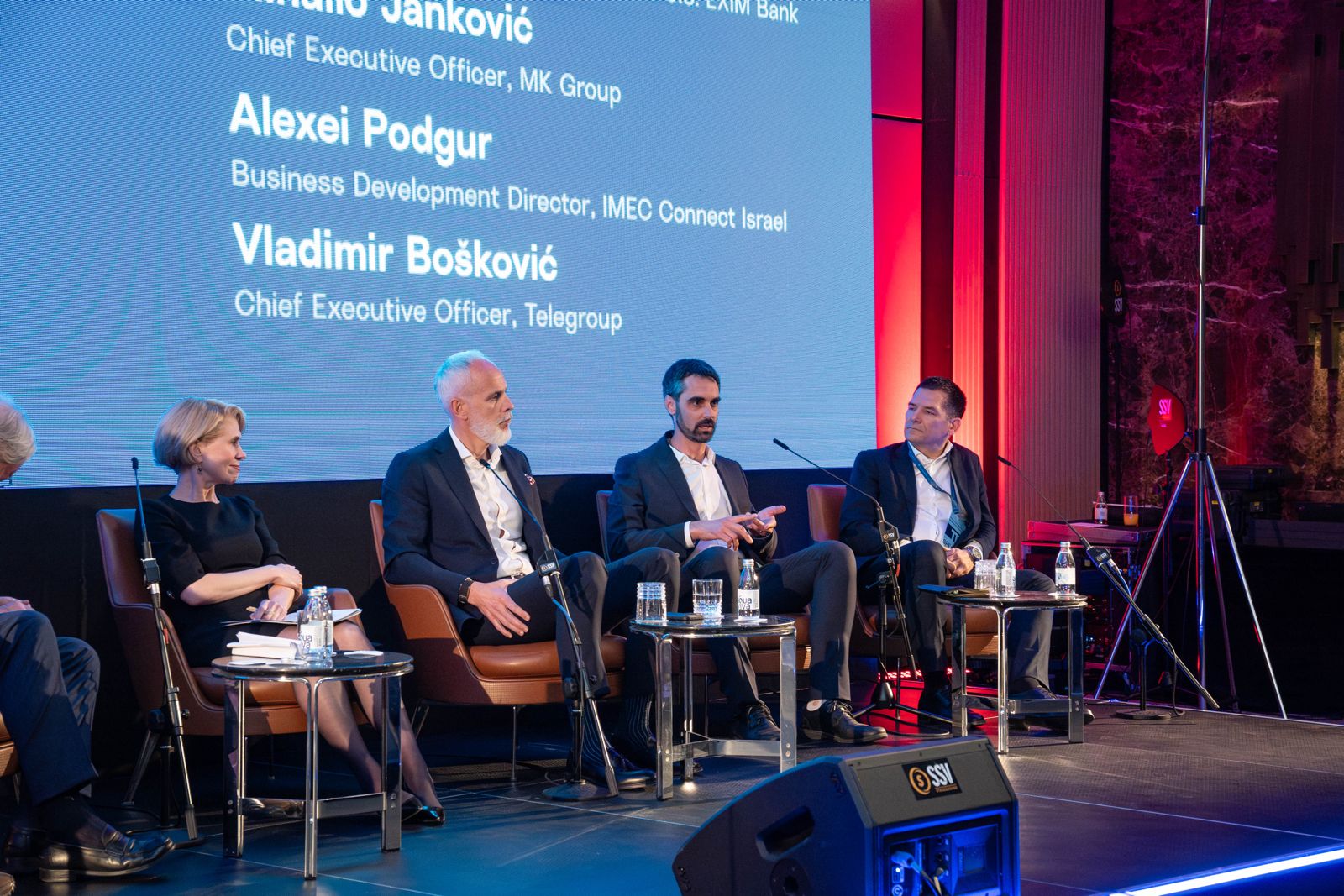
Former U.S. EXIM Bank President Kimberly Reed framed three questions for any piece of strategic infrastructure: who built it, who financed it, and what values it embodies. She confirmed that the EXIM Board is expected to vote around 7 May on an important financing agreement for 5G network development in Serbia — a process that began during her tenure.
Mihailo Janković (MK Group) and Vladimir Bošković (Telegroup) pointed to data centres and the people who can manage data flows as the priority for the next investment cycle, with EU membership and the Trieste–Belgrade–Constanța corridor as anchoring frames.

Other Activities
Read time:
10
min
Oct 16, 2026
Danube Future Forum
The first Danube Future Forum was held in Belgrade on October 9, marking the Pupin Initiative’s third anniversary.

Read time:
2
min
Oct 16, 2026
Meeting with Robert Doar, President of the American Enterprise Institute
Vuk Velebit and Srđan Todorović met Robert Doar to discuss U.S.–Serbia ties and Serbia’s role in European security and transatlantic relations.

Read time:
2
min
Sep 30, 2026
Meetings on Capitol Hill in Washington, D.C.
Series of meetings with congressional staff on U.S.–Serbia relations, the Strategic Dialogue, and opportunities to strengthen bilateral cooperation.